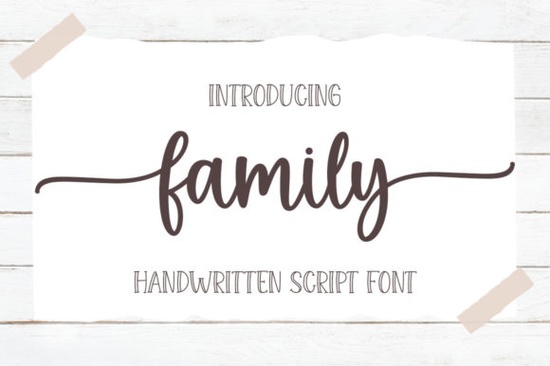
Looking for a script font that feels graceful without being over the top? The Family Font is a refined script typeface with elegant letterforms, stylish alternates, and smooth ligatures that work beautifully across a range of design projects. Whether you're creating wedding invitations, branding materials, or social media graphics, this font brings a polished, hand-lettered look to your work.
What Makes the Family Font Stand Out?
Script fonts are everywhere, but not all of them feel intentional. The Family Font balances delicacy with readability. Its letter connections flow naturally, and the ligatures prevent that awkward, stitched-together look you sometimes get with other script typefaces.
Here's what you get with this font:
- Stylish alternates Swap out standard characters for more decorative versions
- Smooth ligatures Letter pairs that connect seamlessly for a hand-lettered feel
- PUA encoding Full access to every glyph and swash without special software
- Refined script style Clean enough for professional use, expressive enough for creative projects
The PUA encoding is especially helpful. You don't need advanced design software to access every character even basic tools like Canva or Cricut Design Space can pull up the full glyph set.
What Can You Use This Font For?
This font fits a wide range of projects. If you sell print-on-demand items or run a small creative business, you'll find plenty of uses:
- Wedding and event invitations
- Greeting cards and stationery
- Social media quotes and headers
- Logo design and brand identity
- Blog graphics and Pinterest pins
- DIY craft projects with Cricut or Silhouette
- Wall art prints for Etsy shops
Because the lettering is delicate and refined, it works especially well for feminine branding, lifestyle blogs, and elegant event materials. It pairs nicely with clean sans-serif fonts for a balanced layout.
How Does It Compare to Other Script Fonts?
If you already browse script fonts regularly, you know the options are endless. The Family Font sits in that sweet spot between casual and formal it's not as playful as something like Hello Honey, but it's less rigid than traditional calligraphy fonts.
For comparison, Stay Wonderful leans more toward a bouncy, casual aesthetic, which works great for fun branding but might feel too informal for wedding stationery. Meanwhile, Little Love has a softer, more romantic tone that pairs well with heart-themed designs.
If you want something with a bit more visual weight, Black Sample offers a thicker stroke that holds up well on dark backgrounds. And for projects that call for decorative flourishes, Heart Style brings built-in ornamental details right into the letterforms.
The key difference with the Family Font is its versatility. The alternates and ligatures give you enough creative room to customize the look without needing extra design add-ons.
Can Beginners Use the Family Font?
Absolutely. One of the biggest advantages of PUA-encoded fonts is that they work across nearly every platform. You don't need to be a professional designer or own expensive software. Here's a quick breakdown:
- Canva users: Upload the font and access alternates through your character map
- Cricut/Silhouette crafters: Install the font on your computer and use it directly in your cutting software
- Adobe users: Full access to alternates and ligatures through the Glyphs panel
- Print-on-demand sellers: Create designs for t-shirts, mugs, tote bags, and more
Font Pairing Ideas
A script font rarely works alone. Here are a few pairing suggestions that complement the Family Font without competing with it:
- With a light sans-serif: Think Montserrat Light or Poppins for subheadings and body text
- With a simple serif: Lora or Playfair Display for a classic, editorial feel
- With a bold slab font: Rokkitt or Arvo for contrast in poster-style designs
Keep your secondary font clean and simple. The Family Font does the heavy lifting in terms of personality, so let it be the star.
Quick Checklist Before You Buy
Before purchasing, make sure the font fits your project needs:
- ✅ Check that your design software supports custom font uploads
- ✅ Review the license confirm it covers your intended use (commercial projects, POD, etc.)
- ✅ Test the alternates and ligatures to see if they match your creative vision
- ✅ Pair it with at least one complementary font before starting your layout
- ✅ Save a copy of your glyph reference so you can access every character quickly
Tip: When working with script fonts, always increase the letter spacing slightly for headings. It keeps the text readable at larger sizes and gives the letterforms room to breathe. Start with 1–2% tracking adjustments and go from there.
Get Started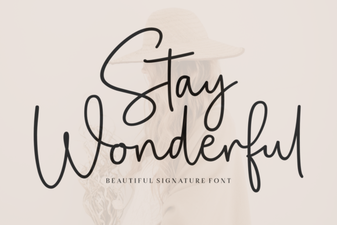 Stay Wonderful Font - Free Script Font Download
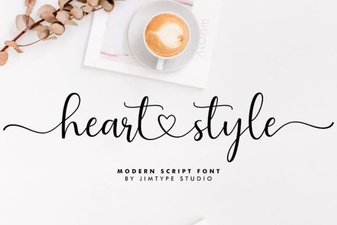 Heart Style Script Fonts for Creative Design Projects
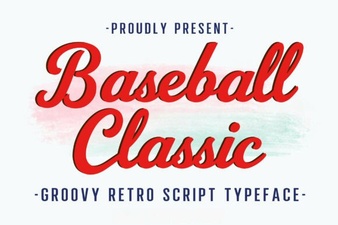 Baseball Classic Font: Retro Typography for Bold Designs
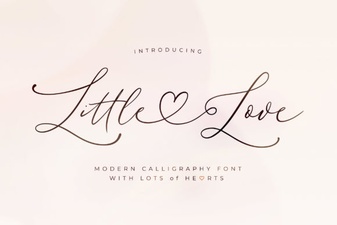 Little Love Font - Free Script Font Download
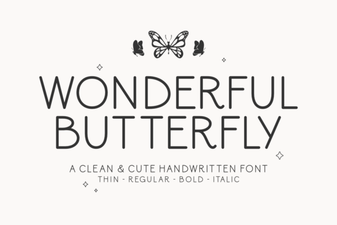 Wonderful Butterfly Font - Elegant Script Font for Creative Designs
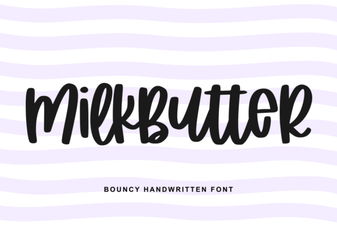 Milkbutter Font: a Smooth Creative Typeface for Designers